

Dealing with damp and condensation
We at National Energy Action have produced a series of advice leaflets to help households in Northern Ireland with your energy bills, including this one on damp and condensation.
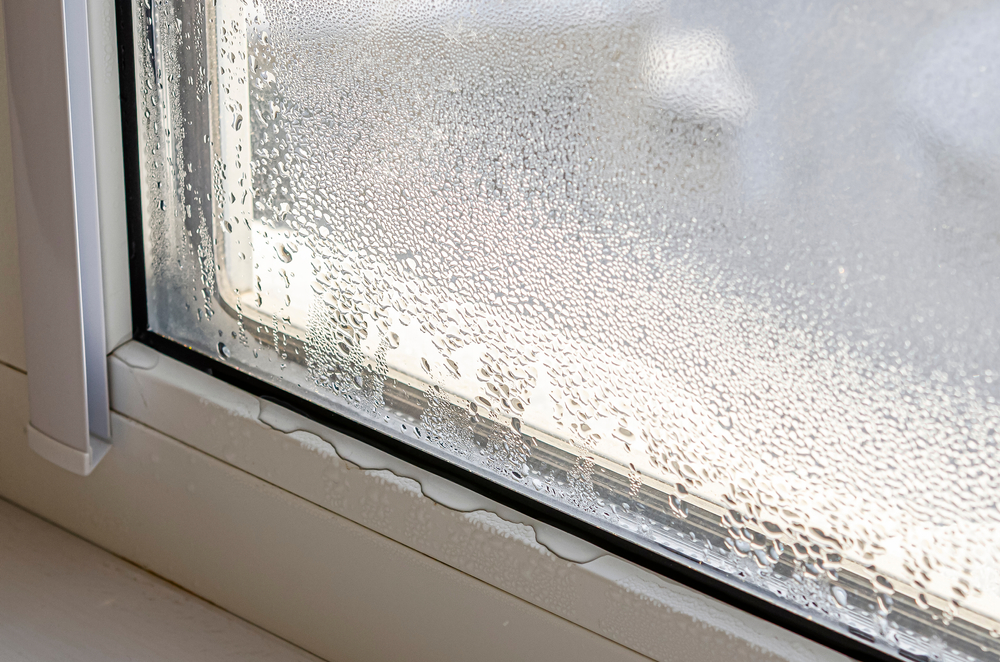
Condensation happens when warm, moist air hits a cold surface such as a window or outside wall and condenses, running down the surface as water droplets.
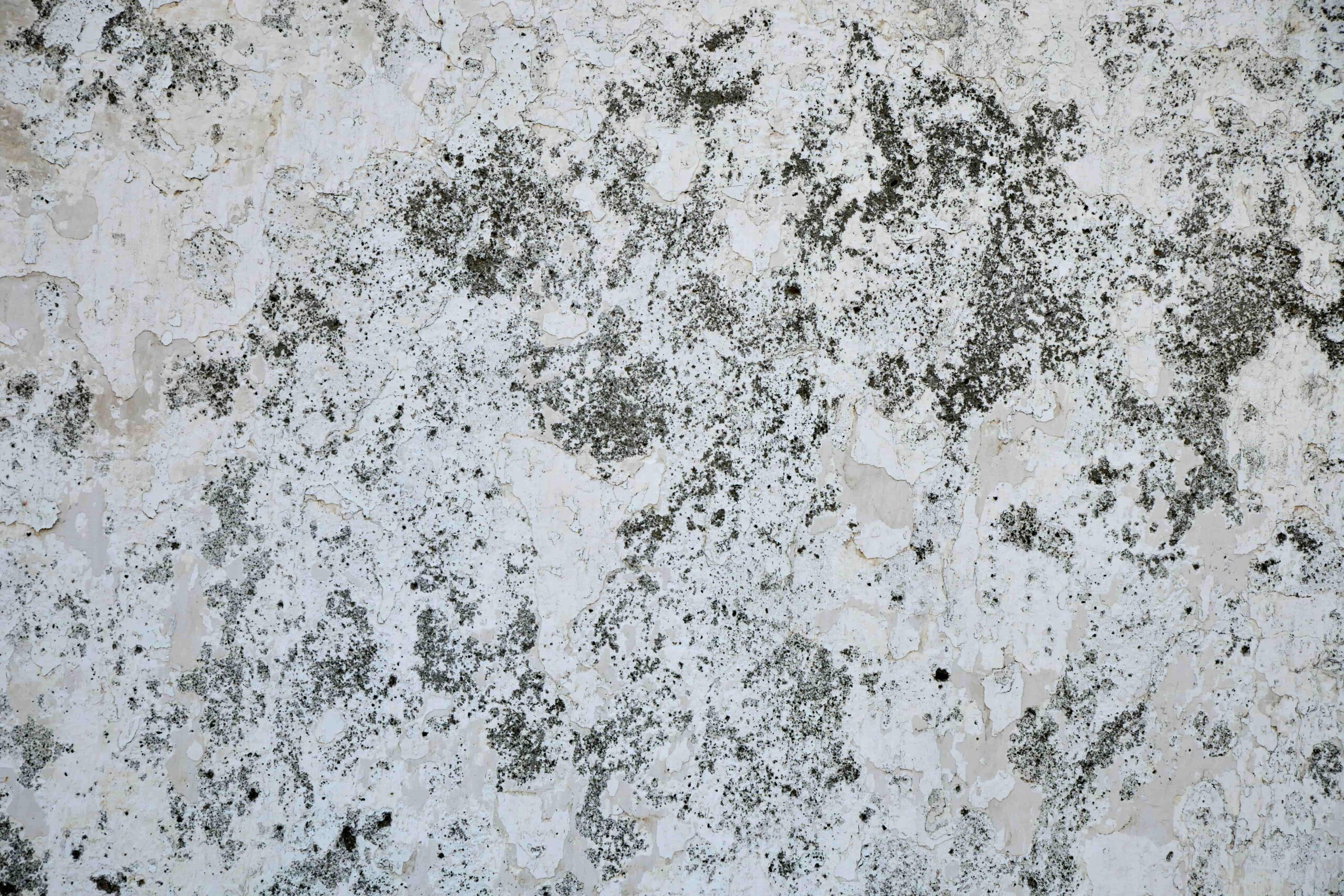
Moisture left on your walls can lead to black mould. Mould looks and smells bad, can cause serious health problems and damage clothes, furniture and books.
How do I know it’s condensation?
If the surface is cold and wet, it’s likely condensation is the cause. There might be places where wallpaper is peeling due to moisture. Look for areas on your wall with clouds of little black spots – this is mould caused by condensation.
Areas likely to be affected by condensation:
- Rooms where a lot of steam is created, such as kitchens and bathrooms
- Outside walls, walls in unheated rooms, corners of rooms, behind furniture
- Cold surfaces such as mirrors, windows and window frames
- In wardrobes and cupboards
Condensation is different to other forms of damp (such as rising and penetrating). It is not caused by a defect of the building so can often be improved by making small changes. To find out about other types of damp visit: www.nea.org.uk/get-help/resources/damp.
Reduce condensation through H.I.V.E
Heating: try to keep temperatures in all rooms to above 18°C when you are using them – this will reduce condensation forming.
Insulation: this will stop heat escaping through walls, ceilings and windows, making it easier and cheaper to keep the home warm:
- Lay carpet with a thick underlay to insulate floors
- Hang thick, heavy lined curtains during the winter to insulate your windows
- Use thermal lining paper under wallpaper
- Draught-proof around windows and use draught excluders under draughty doors
- Consider insulating your walls and loft if they have not been done. You may be able to get a grant for this. To find out more visit www.nihe.gov.uk/Community/NI-Energy-Advice.
Ventilation: this will allow moisture-filled air to escape and be replaced with fresh air. Make sure vents and airbricks are not covered or blocked, use extractor fans and open windows when possible.
(Reduce) Excess Moisture: Use extractor fans when showering or cooking, put lids on pots and pans when cooking, avoid drying washing indoors where possible. Consider using a dehumidifier in rooms which are prone to condensation or in rooms where you dry washing. If you live in a rented property and you have tried all the above, but the damp and condensation isn’t going away, then contact your landlord.
How to deal with black mould
If you have black mould in your home, the best way to deal with this is by wiping the affected areas with mould removal spray. Always check the manufacturer’s instructions. There are some special anti-mould and insulating paints that may delay the return of the mould but the best way to prevent it coming back is to reduce the condensation in your home.
Top tips to reduce condensation
- Open window trickle vents during the day or when going out, or open windows for at least 10 minutes every day.
- Try to avoid putting furniture against any external walls and try to leave a gap between furniture and the wall to allow airflow.
- When cooking, showering or bathing close internal doors, open the windows and use extractor fans if you have them. If possible, leave windows open and extractor fans to run for about 20 minutes after to clear any steam.
- Wipe down windows, mirrors, tiles, shower doors with a cloth or squeegee to remove moisture.
- When cooking, try to keep lids on pans (this reduces how much energy you use too).
- Only boil as much water as you need when boiling the kettle to reduce steam and save money.
- Take shorter and cooler showers as this will produce less steam.
- For baths, cold water in first – this produces less steam and condensation.
- Don’t dry wet clothes on radiators. This will make your boiler work harder and could cost as much as running a tumble dryer, while creating a lot of condensation.
- If you dry clothes inside, use a drying rack in a room where the window can be opened slightly and keep the door closed. Consider using a dehumidifier. Did you know drying clothes indoors can add up to 10-15 litres of water into your home every week.
- Avoid using LPG/bottled gas heaters as these release lots of moisture into the air.
Useful contacts
Northern Ireland Energy Advice Service
Tel: 0800 111 4455
Email: nienergyadvice@nihe.gov.uk
Website: www.nihe.gov.uk/Community/NI-Energy-Advice