

The Energy Crisis in the UK
The energy crisis means millions of households are struggling to afford their energy bills and stay warm. Our figures show 6 million children in the UK are currently living in fuel poverty.
Since March 2026, global energy prices have been rising again as a result of the US-Israel conflict with Iran.
Last updated March 2026
What this means for energy bills
Households across the UK use various types of energy to keep their homes warm and powered. Many households use gas central heating and electricity for power, some use electricity for both, while others use liquid fuels, like LPG.
Gas and electricity
For domestic gas and electricity customers, bills are protected from the impacts of the US-Israel conflict with Iran by the price cap until July 2026. The price cap (which puts an upper limit on the unit rate that suppliers can charge customers on default tariffs) has already been set by Ofgem at £1,641 for a typical dual fuel household for the April-June period. This is actually a reduction of 6.6% on the previous quarter. So average bills are going down from 1 April, not up. The risk is the July 2026 price cap onwards, which hasn’t been set yet. That’s where rising wholesale prices caused by the conflict could start to feed through to households.
Heating oil
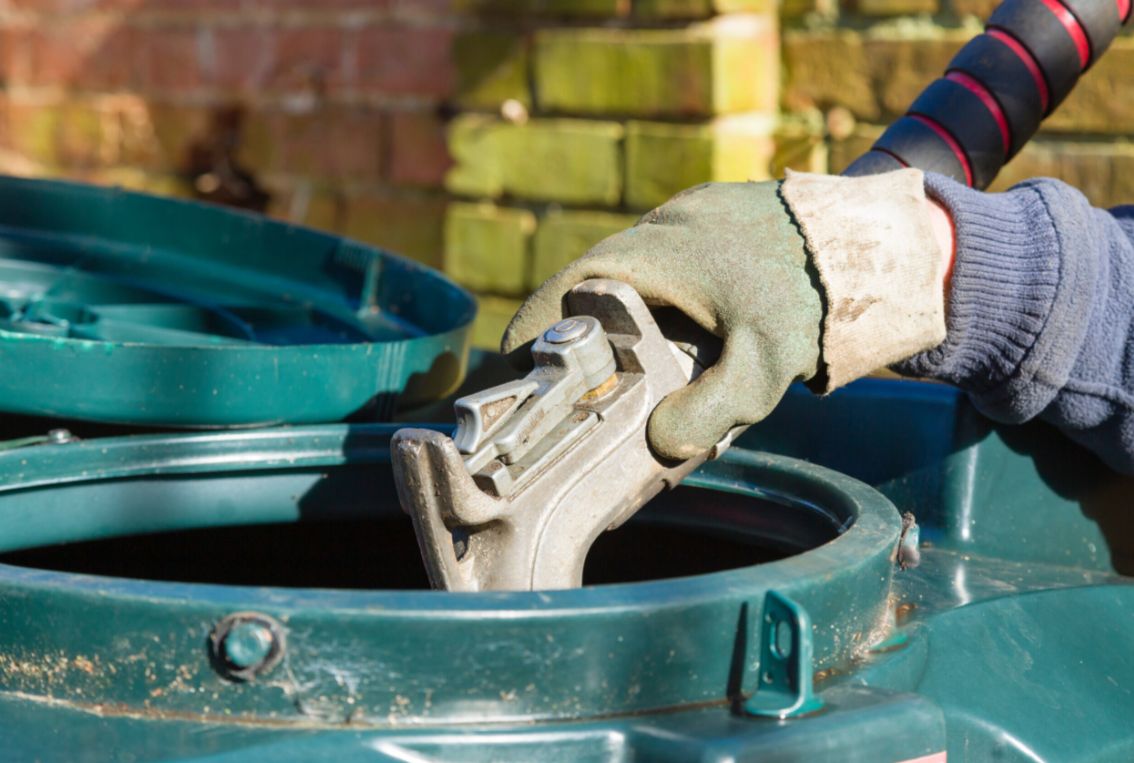
Households living in remote or rural areas are more likely to use liquid fuels like LPG to heat their home. Heating oil is not regulated, unlike the gas and electricity markets, and there is no price cap in place. This means those households using these fuels are being hit harder and faster by immediate price hikes as a result of the US-Israel conflict with Iran, and we are aware of households reporting order cancellations or being unable to purchase the amount of fuel they require.
Typically, the summer is the time of lowest energy use for UK households as heating costs are lower, so this gives time to prepare, not panic, to be ready for next winter. But more support could be needed from the government and Ofgem.
In March 2026, the government announced £50 million in support for households reliant on heating oil to be implemented through the local authority Crisis and Resilience Fund from 1 April. Our response is here.
How did the energy crisis unfold?
The energy crisis first began in October 2021 as a result of many factors, including Russia’s invasion of Ukraine. Prior to the crisis, the typical annual energy bill was £1,277.
By October 2022, the UK government stepped in to cap a typical bill at £2,500 a year, on top of introducing £400 of energy bill support payments (the Energy Bills Support Scheme). Despite this, many households experienced fuel poverty and ran up large debts. UK suppliers are, as of March 2026, owed over £4 billion.

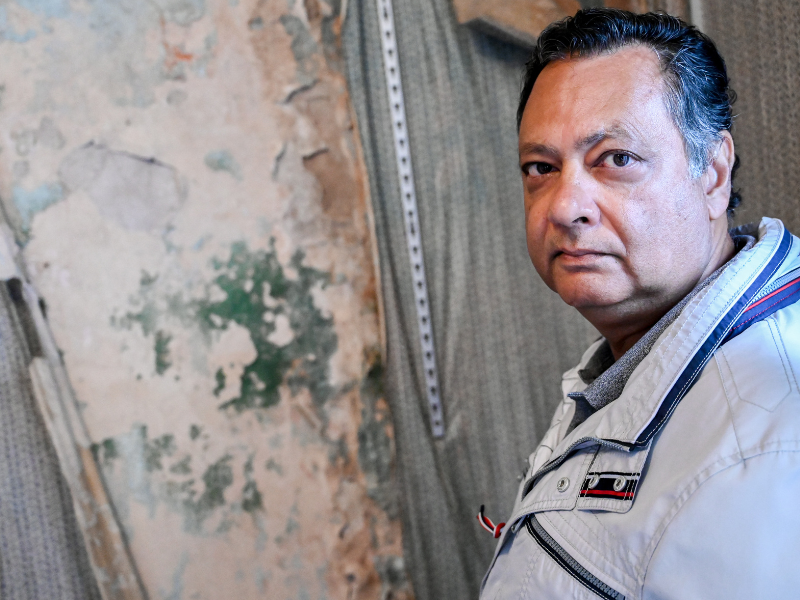
Across the UK, cold homes are already damaging the lives of the poorest households.
We have spoken to households around the UK, who are being forced to adopt dangerous coping strategies. These can be detrimental to people’s health and wellbeing.


How much is the typical annual energy bill?
As of 1 April 2026, the typical household pays £1,641 a year. National Energy Action estimates there are millions of UK households in fuel poverty.
Data obtained from the University of Salford’s Energy House and published by National Energy Action shows how much it really costs to keep your home at a safe temperature.
Cost-of-living payments totalling £900 for households receiving means-tested benefits and £150 for those in receipt of disability benefits ended in April. This cut to income is not offset by the slight reduction in energy bills.
Further exacerbating the situation are the increases in the standing charge, which households pay regardless of how much energy they use and tends to make up a higher proportion of fuel poor households’ bills.
Last updated April 2026
What has the UK Government done to support people with energy bills?
Energy bill support
- Cost-of-living payments – these will be spread throughout 2023-24 in several payments totalling £900 for people on means tested benefits, £300 to pensioners, £150 to households with disabilities. This has now ended as of April 2024.
- £1 billion funding increase to Household Support Fund for local authorities to support those in need. This has been extended by a further six months beyond April 2024.
Uprating benefits
- Households on Universal Credit and other legacy benefits will see an increase in these benefits in line with inflation
Energy efficiency
- Announced a target by 2030 cut demand by 15%, to achieve collective bill savings of £28 billion and £450 off household bills
- 6.6bn for energy efficiency committed in this parliament.
- New funding from 2025 of a further £6 billion.
Last updated July 2025
What has the Welsh Government done to support people with their energy bills?
Following the recent spike in oil prices, Welsh Government has received £3.8m from the UK Government to support households dependent on oil and LPG for heating and hot water. It has announced:
- A one-off £200 payment for low-income households who use heating oil/LPG if they’re on Council Tax Reduction Scheme (CTRS). Local authorities will contact eligible households directly and invite them to apply in due course. Households have until the end of September to apply.
- A temporary increase to emergency support available via its Discretionary Assistance Fund to £750 per award, increased to two awards in a rolling 12-month period, with a minimum gap of three months between each application.
- The Fuel Bank Foundation, supported by Welsh Government, has also increased the minimum delivery support through its Heat Fund in Wales for those in crisis.
Updated April 2026.
Our asks of the UK Government to help with the energy crisis
- Ensure announced support reaches those who need it.
- Despite the significant packages of support to date, National Energy Action believes there is still a need to increase financial support for the poorest households.
- Make the energy market fairer: introduce a social tariff for energy
- Help low-income households to clear utility debts through a new payment matching scheme, where the UK Government matches every pound that a household makes towards their utility debt repayments.
- Improve energy efficiency:
- Committing the remainder of the funding promised to upgrade fuel poor homes in the Conservative Party Manifesto – an increase of £1.4 billion into the Home Upgrade Grant Scheme to be spent before the end of this parliament.
- Setting tighter regulatory minimum energy efficiency standards for rented properties, so that they reach EPC C by 2030 at the latest.
What is the price cap?
The energy price cap puts an upper limit on the unit rate that suppliers can charge customers on default tariffs (also known as standard variable tariffs). It was introduced by the government and is administered and calculated by the energy regulator Ofgem. It applies to default energy tariffs, whether paid by direct debit, standard credit or a prepayment meter. Prepayment meter customers pay more than direct debit customers. That’s because Ofgem says it is more expensive for suppliers to service them.
The price cap limits the rates a supplier can charge for their default tariffs. These include the standing charge and price for each kWh of electricity and gas. It does not cap the total bill, which will change depending on how much energy you use. But Ofgem presents it in terms of an average user’s annual bill, to simplify things for the general public.
Our fuel poverty estimate
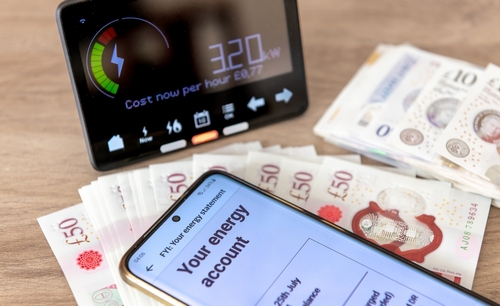
Our definition of fuel poverty is that a household is in fuel poverty if it needs to spend 10% or more of its income on energy in order to maintain a satisfactory heating regime. This gives a realistic picture of the scale of fuel poverty in periods of more volatile energy prices. The government’s estimates for England are based on the efficiency of homes, which is not sensitive to changes in energy prices. Our projections are broadly in line with robust analysis by the Resolution Foundation surrounding ‘fuel stress’. This is also based on the 10% fuel poverty metric, but for England only.
Energy crisis and standing charges
To read about how we got to this point as well as more about standing charges, please click below.

Where can I get help now?
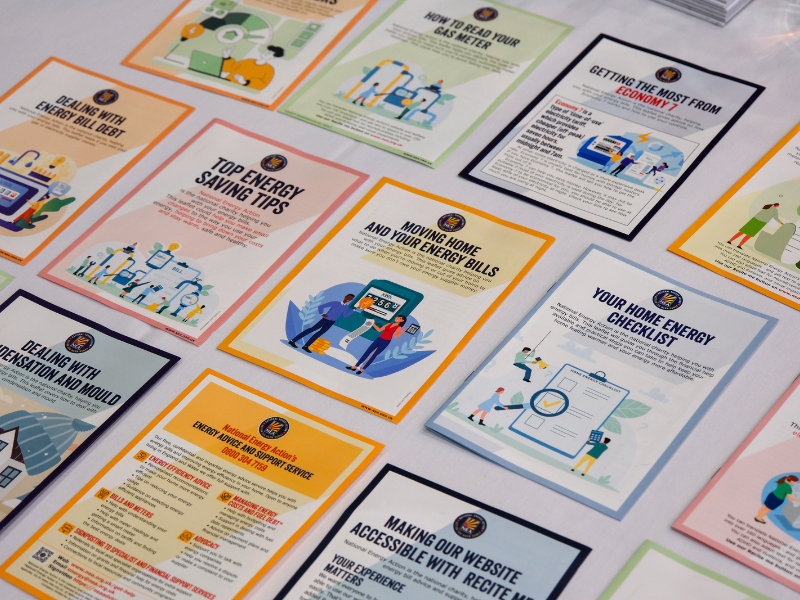
If you or someone you know can’t afford to heat their home then we’re here to help.
We offer a range of advice and support directly to people in need. We also offer help via frontline workers and other intermediaries. For advice and support on what you can do click the link below.
Also, contact your energy supplier. You may also be entitled to access the Local Authority Assistance Fund or Winter Fuel Support Scheme in Wales.
For media enquiries please contact anna.cook@nea.org.uk