
What is the standing charge?
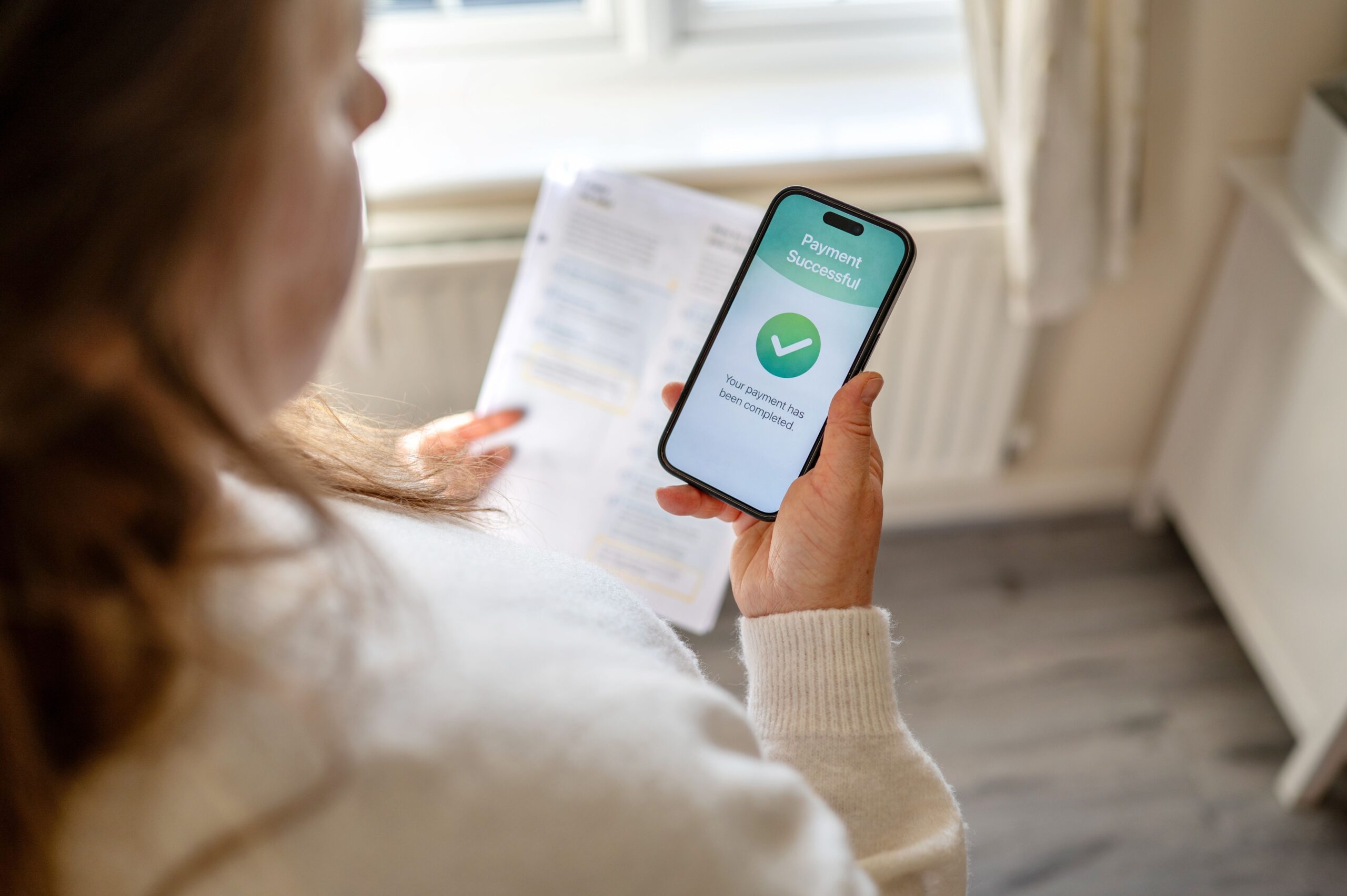
The standing charge is a fixed daily fee applied to energy bills. It covers the cost of maintaining the infrastructure and providing services, regardless of whether you use these services or not. These costs are fixed, meaning that even if you are a low energy user, you will still pay the same standing charge. This means the standing charge makes up a higher percentage of your bill. Customers who self disconnect because they can’t afford energy are still liable to pay the standing charge. The standing charge is added to your energy bill in addition to the amount that is spent on the energy used. This will either be exact, based on what you’ve used or be estimated. Some suppliers say there is no standing charge on their bills. That is because they charge a higher rate on the first few units of energy used to cover this cost. You are still effectively paying a standing charge on these tariffs, but how much depends on your usage.
How much is the standing charge?
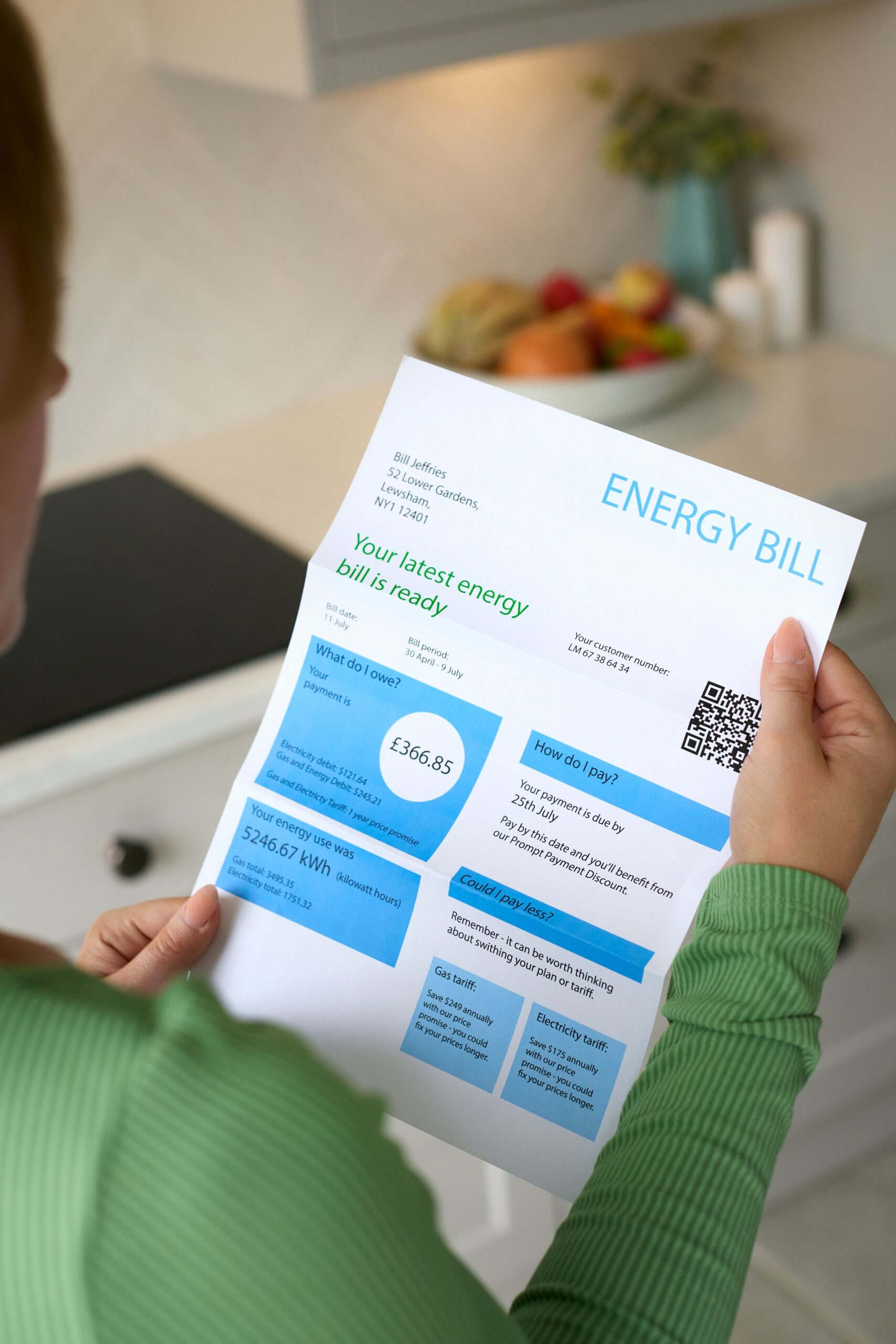
The specific amount of the standing charge can vary depending on the supplier and the tariff you’re on. If you are dual-fuel customer then you may pay a separate standing charge for gas and electricity.
There are also some regional variations, with some areas in GB paying much more than others. The cost of your standing charge is written on your bill. Knowing what yours is may help with budgeting.

Is the standing charge going up?
The standing charge is restricted by the energy price cap, which is reviewed on a quarterly basis. You can read about the current price cap and standing charge costs here: Energy price cap explained | Ofgem
Why do standing charges rise?
As well as reflecting the cost of maintaining infrastructure and the delivery of many UK Government obligated programmes, much of the rise has been to pay for the cost of transferring the customers of failed energy suppliers to new suppliers, and as a conscious decision from Ofgem on how to pay for energy networks.
What impact does the standing charges have on low income and vulnerable consumers?
The impact of high standing charges can be acute and have a particularly negative impact on low usage households.
Low-income households often spend less on energy so a higher proportion of what they pay goes towards these inflated standing charges. Often, these lower usage customers are on prepayment meters and must pay these charges in advance before they can access energy in the home. This can mean households that haven’t used any energy, particularly gas, for months, even years, accrue unmanageable standing charges which they are likely to struggle to clear.

Is there any alternative?
The extent of the standing charge is at the discretion of both Ofgem and the UK Government. Beyond the scale of the charges, how these costs are recovered is also a matter for both Ofgem and the UK Government.
National Energy Action has highlighted that they could look to introduce a far more progressive approach. Either, by reflecting a customer’s usage when recovering some of these charges or by taking into account a customer’s payment method, which fuels their usage or even to reflect their incomes.
Some suppliers have tariff that do not have a standing charge. While there are technically zero standing charges on these tariffs, they do charge a much higher unit rate for the first two units of gas and electricity you use each day (then a lower, more normal rate, for all other usage after this).
This means if you use nothing in a day, you pay nothing. But if you have any level of use (even very minor usage) you essentially pay a standing charge through the higher unit rates. Overall, for a typical user, the price works out roughly similar to a standard Price Capped tariff.