
Fuel poverty in Wales
National Energy Action operates in Wales and is led by Head of Wales, Ben Saltmarsh.
The negative impacts of fuel poverty on people’s physical and mental wellbeing are similar wherever you live in the UK. However, the definition and measure of fuel poverty differ depending on which nation you live in and so too does the help and support you could receive. A major cause of fuel poverty is the efficiency of your home and Wales has some of the oldest and most inefficient housing across the UK and northern Europe. National Energy Action Cymru campaigns so everyone can live in a warm, safe and healthy home.

How is fuel poverty defined in Wales
A household is regarded as being in fuel poverty if they are unable to keep their home warm at a reasonable cost. This is measured as any household needing to pay more than 10% of their full household income to keep their home satisfactorily warm.
The fuel poverty situation in Wales
The crisis has seen record numbers of households in Wales fall into fuel poverty, and the hardship of those already suffering deepen significantly. National Energy Action Cymru is working to change that.
- 25% of households are fuel poor
- 200,000 households are using prepayment meters

In 2024 – when energy bills sat at an average of £1,850 per year – the Welsh government estimated at 340,000 were in fuel poverty. That’s 24% of the country, or 1 in 4 households. And worryingly, that includes more than 4 in 5 of all Wales’s lower-income households. Almost a quarter of whom find themselves in severe fuel poverty, needing to spend huge portions of their income just to keep warm. National Energy Action Cymru wants to change that.
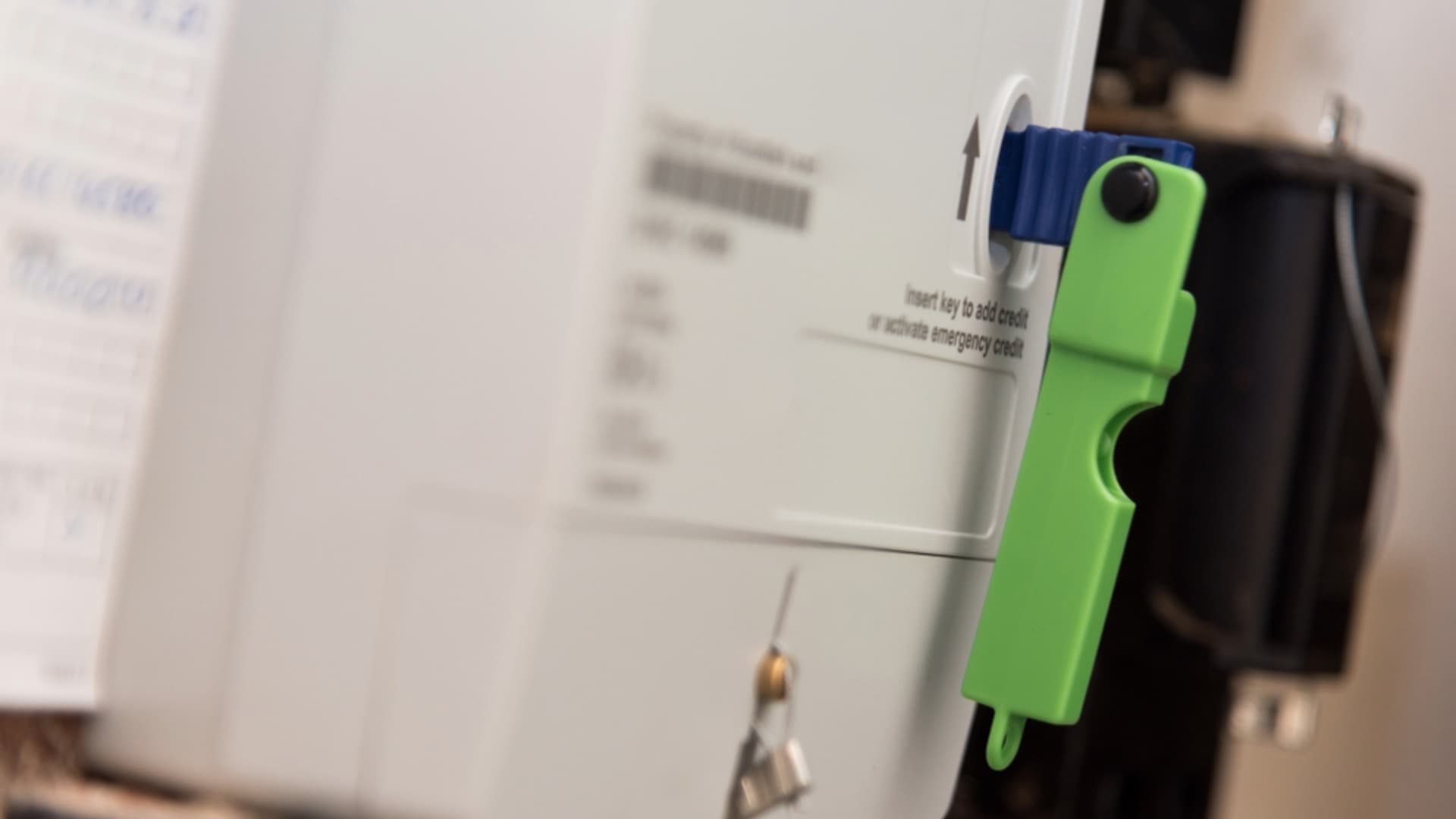
Approximately 200,000 households in Wales use prepayment metres for their mains gas and electricity. That means Wales has proportionally more households using prepayment metres compared to England.

Together, with members and partners in Wales, we:
-
Advocate to improve the support available for fuel poor households
Working with the Welsh Government, Members of the Senedd, and others. This includes chairing the Fuel Poverty Coalition Cymru and providing the secretariat for the Senedd’s Cross Party Group on Fuel Poverty and Energy Efficiency.
-
Convene and provide platforms for experts and policymakers to come together
To discuss issues around fuel poverty and energy affordability. This includes events like conferences and our Wales Fuel Poverty Forums.
-
Provide training and national qualifications to individuals and organisations looking to provide energy advice
Our training courses cover key areas such as assisting households with fuel poverty, fuel debt, and practical energy efficiency advice. Many of our learners across Wales work in front-line advice and support roles, where they interact with vulnerable people.
-
Work with partners to help support low-income and vulnerable households in need
Including via our Energy Advice and Support Service.
Find out more about fuel poverty in Wales


Useful contacts
-
Advice Line
Go to www.nea.org.uk/energyhelp for help and support, including Wales-only help.
-
Contact Details
- Switchboard – 0191 261 5677
- Energy Advice – 0800 304 7159
- Benefits Advice – 0800 138 8218
-
For media enquiries contact
Anna Cook
Head of Communications & Campaigns
07884 371913
anna.cook@nea.org.uk
Nick Palmer
Press and Media Officer
07596 858719
nick.palmer@nea.org.uk
-
For Twitter
@NEA_Cymru