
Not coping strategies
'Not' coping strategies
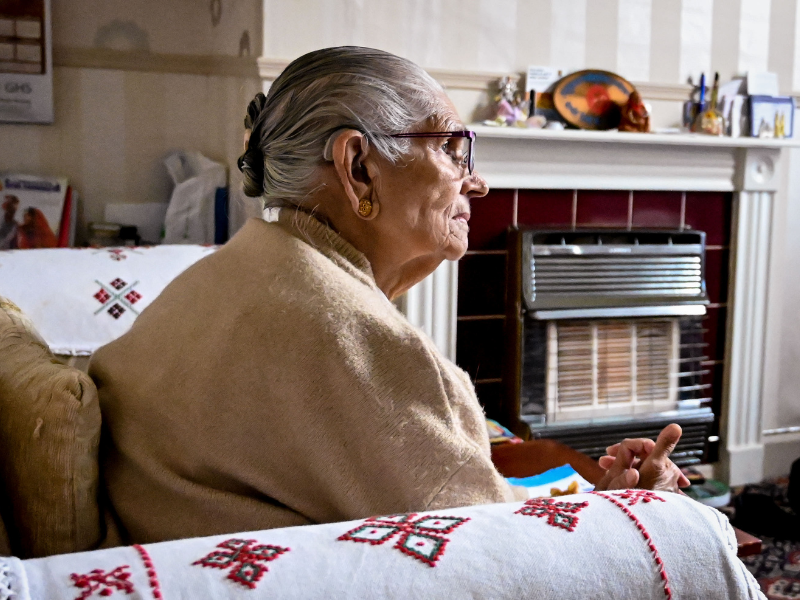
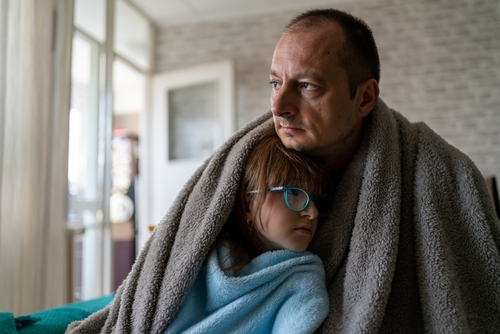
We have spoken to households around the UK, who are being forced to adopt dangerous coping strategies when they can’t afford their energy bills. These can be detrimental to people’s health and wellbeing and while people call them coping strategies, we call them ‘not coping’ strategies because they are drastic, dangerous and show the desperate impacts of fuel poverty.

These include
- Going to bed early to stay warm
- Only heating one room or avoiding using central heating at all
- ‘Marking’ the bath to reduce the amount of water used each time
- Spending the day in heated spaces such as a library, cafe or even A&E
- Cutting back on electricity and using candles instead of lights
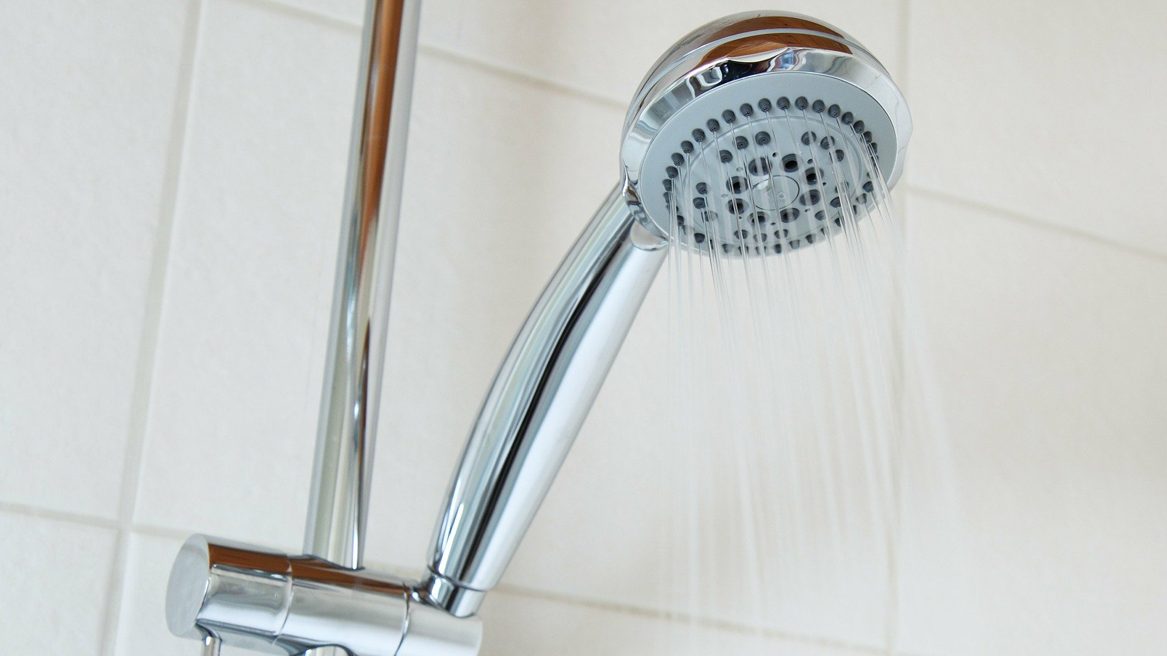
- Showering away from the home in workplaces or leisure centres
- Cutting back on buying essential personal items, food, eating only cold meals or reliance on food banks
- Formal borrowing (credit cards and loans) or informal borrowing from friends and family
- Using unsafe, unserviced heating appliances or inappropriate devices like ovens to stay warm
- Cooking using alternative sources such as a barbeque or portable stove
- Cutting back on personal hygiene products
- Bathing less often, or resorting to a ‘sink wash’
- Not inviting friends or family in to the home
- Leaving curtains closed all day or putting newspaper over windows
- Deciding not to pay the water bill in order to pay a higher priority bill (such as energy or council tax)

How many people are affected?
In 2025, National Energy Action commissioned some polling which was conducted by YouGov. The results were stark.
- 45% of low income adults in GB say they have found it difficult to pay for energy in the last year
- 37% of adults in GB on prepayment meters say they have gone without power or heating when they needed it
- 58% of low income adults in GB say they have turned off more lights than they wanted to
- 58% of low income adults in GB say they have reduced their use of baths or showers
- 48% of low income adults in GB say they haven’t run the washing machine when they needed to.